
Portable coffee makers have moved beyond a small group of camping accessories.
Portable coffee machine market trends show growing interest in rechargeable self-heating models, capsule-compatible devices and compact coffee makers designed for travel, offices, vehicles and outdoor use.
The category now includes manual espresso makers, compact pour-over brewers, hot-water extraction devices and electric portable coffee machines with built-in batteries and heating systems.
For brands, importers, distributors and retailers, the important questions are which product configurations match their customers, which limitations must be explained clearly and how to evaluate product quality before entering the market.
Explore our rechargeable portable coffee maker range for travel, automotive, outdoor and private-label projects.
This article reviews portable coffee machine market trends, consumer-demand drivers, product categories and practical B2B opportunities. Market estimates from different research companies are presented separately because their product definitions and calculation methods may differ.
Portable Coffee Machine Market Trends and Market Estimates
Market research for portable coffee makers should be read carefully.
Some reports count only handheld espresso machines. Others include manual brewers, travel coffee makers, battery-operated machines, single-serve products, and compact electric appliances.
As a result, two reports may both discuss “portable coffee makers” while measuring very different product groups.
Fact.MR uses a relatively narrow portable espresso machine definition. It estimates that this market was worth approximately USD 149.29 million in 2024 and could reach USD 290.93 million by 2034, representing a projected compound annual growth rate of 6.9%.
SkyQuest uses a broader portable coffee maker category. Its report estimates the market at USD 5.45 billion in 2024, rising from USD 5.83 billion in 2025 to USD 9.94 billion by 2033, with a projected CAGR of 6.9%.
These numbers should not be combined or compared directly because the underlying categories are different.
The important point is that both forecasts expect continued expansion. Demand is being supported by coffee consumption, mobile lifestyles, outdoor activities, e-commerce, and growing interest in preparing better coffee outside a traditional kitchen.
Coffee Demand Provides a Strong Foundation
Portable coffee equipment benefits from the broader strength of coffee consumption.
According to the National Coffee Association’s Spring 2025 National Coffee Data Trends, 66% of American adults drank coffee each day in January 2025.
The same research found that:
- American coffee drinkers consumed an average of three cups per day;
- 46% of American adults had consumed specialty coffee during the previous day;
- Past-day consumption of espresso-based beverages increased from 24% of adults in 2020 to 28% in 2025;
- Online coffee purchasing increased from 7% of past-day coffee drinkers in 2020 to 14% in 2025.
A separate 2025 Specialty Coffee Report found that 64% of American consumers aged 25–39 had consumed specialty coffee during the previous week.
These figures do not measure portable coffee machines directly. They do, however, show a large consumer base that is familiar with espresso-based beverages and willing to purchase coffee products and equipment for use outside cafés.
Market forecasts are estimates rather than guaranteed results. Different research providers may use different product definitions, geographic coverage, currencies and forecasting methods. Buyers should use these figures as general market indicators and conduct their own country- and channel-specific research before making an investment decision.
Why Portable Coffee Makers Are Gaining Attention
Several practical factors are supporting interest in portable coffee makers.
1. Coffee Consumption Is No Longer Limited to the Kitchen
Consumers drink coffee at home, in offices, in cars, while travelling, and during outdoor activities.
Traditional coffee machines work well in fixed locations, but they are less useful when consumers are away from a stable electrical outlet or kitchen counter.
Portable products address this gap by making coffee preparation possible in more locations.
2. Consumers Expect Better Coffee Away from Home
Instant coffee remains convenient, but many consumers want stronger extraction, fresh ground coffee, or familiar capsule formats.
Portable espresso makers allow consumers to use coffee products they already know while travelling or working.
The demand is not simply for caffeine. It is also for a more consistent coffee experience.
3. Rechargeable Products Reduce Dependence on Power Outlets
Rechargeable self-heating models can heat water and extract coffee without remaining connected to a wall outlet during operation.
This makes them suitable for:
- Camping;
- Road trips;
- Business travel;
- Offices;
- Hotels;
- Outdoor work;
- Car use.
Battery capacity, heating efficiency, and charging time remain important limitations, but improvements in batteries and thermal design are making electric portable products more practical.
4. E-Commerce Makes Niche Products Easier to Sell
Portable coffee makers are well suited to online demonstrations.
A short product video can show:
- Product size;
- Capsule installation;
- Water filling;
- Heating;
- Coffee extraction;
- Outdoor use;
- Carrying and storage.
This makes the category suitable for Amazon, independent online stores, social commerce, and direct-to-consumer brands.
5. The Category Reaches More Than Coffee Equipment Buyers
Portable coffee makers can be sold through several market channels:
- Coffee equipment stores;
- Outdoor retailers;
- Travel accessory businesses;
- Automotive accessory channels;
- Consumer electronics stores;
- Corporate gift companies;
- Hotel suppliers;
- Coffee roasters and brands;
- E-commerce platforms.
This creates opportunities for companies that have not previously sold traditional coffee machines.
Manual and Electric Portable Coffee Makers
Portable coffee makers can be divided broadly into manual and electric products.
Neither type is suitable for every customer.
Manual Portable Coffee Makers
Manual models generally use hand pressure or another non-electric extraction method.
Their advantages may include:
- Lower weight;
- Simple construction;
- No battery;
- Easier transportation;
- Lower entry price;
- Fewer electrical components.
Their limitations may include:
- A separate source of hot water;
- More physical effort;
- More variable extraction;
- Less convenient operation for some users.
Manual products remain attractive to travellers and outdoor users who already carry a kettle or other hot-water source.
Electric Portable Coffee Makers
Electric models use a pump and may also include built-in water heating.
Their advantages may include:
- More convenient operation;
- Automatic pressure generation;
- Built-in heating on selected models;
- More consistent operation;
- Easier use in cars, offices, and hotels.
Their limitations may include:
- Higher cost;
- Additional weight;
- Charging requirements;
- Limited brewing cycles per charge;
- Battery transportation requirements;
- More complex quality and safety controls.
The choice between manual and electric should depend on the target user, retail price, sales channel, and intended usage scenario.
Rechargeable Self-Heating Models
Rechargeable self-heating products are one of the most visible parts of the electric portable coffee maker category.
These machines combine several systems in a compact housing:
- Rechargeable battery;
- Water heating;
- Electric pump;
- Brewing chamber;
- Capsule or ground coffee adapter;
- Electronic controls;
- Sealing structure.
The integration creates convenience, but it also introduces technical trade-offs.
The CM1001B-PLUS 3-in-1 portable coffee maker combines built-in water heating with support for Nespresso® Original-style capsules, Dolce Gusto®-style capsules and ground coffee.
The CM1001B-PRO 2-in-1 portable coffee maker provides a more compact configuration for Nespresso® Original-style capsules and ground coffee.
A larger battery may provide more brewing cycles but increase product size and weight. Faster heating can require more power and generate additional heat inside the housing. A larger water tank improves capacity but reduces portability.
Buyers can review the CM1001B-PLUS internal components to understand how its battery, heating module, 20-bar pump and extraction system work together.
For manufacturers and brands, the goal is not to maximize every specification. It is to find a workable balance between heating time, battery life, extraction, weight, size, safety, and cost.
Multi-Format Coffee Compatibility
Another important product trend is support for more than one coffee format.
Depending on the model, a portable coffee maker may support:
- Nespresso® Original-style capsules;
- Dolce Gusto®-style capsules;
- Ground coffee;
- Other regional capsule formats.
Multi-format compatibility can make one product suitable for more customers and markets.
It also adds complexity. Each coffee format can have different dimensions, sealing requirements, water-flow resistance, and extraction characteristics.
Brands should verify compatibility using actual capsules and coffee products from their intended market rather than relying only on a supplier’s general description.
Important Product Development Trends
Several product directions are likely to remain important over the next few years.
Heating Efficiency
Consumers want shorter waiting times, but heating water with a compact rechargeable battery requires significant energy.
Product development will continue to focus on thermal efficiency, insulation, battery performance, and realistic water volumes.
Battery Safety and Transport Compliance
Rechargeable products require appropriate battery protection and transportation documentation.
For international projects, buyers should confirm the availability of relevant documents such as UN38.3 and MSDS reports for the selected battery configuration.
Smaller and Lighter Products
Portability remains a central purchasing factor.
However, reducing weight must not compromise housing strength, water sealing, heat protection, or battery performance.
Better Compatibility
Products supporting capsules and ground coffee can reach a wider consumer group, provided the adapters remain easy to install, clean, and store.
Easier Cleaning
Cleaning is often overlooked during product selection.
Removable brewing components, accessible water-contact areas, and clear instructions can improve the customer experience and reduce after-sales complaints.
Stronger E-Commerce Packaging
Products sold online may pass through several logistics stages before reaching the consumer.
Packaging must protect the coffee maker, adapters, charging cable, and accessories against impact and movement during transportation.
More Responsible Material Selection
Brands are showing increasing interest in reusable accessories, reduced packaging, replaceable components, and materials that can withstand repeated use.
Environmental claims should be based on verified materials and packaging rather than broad marketing language.
Smart Features: Opportunity or Distraction?
Some market reports identify app control, connected functions, and automated recipe settings as future trends.
These features may become more common, but they are not yet the main purchasing priority for most portable coffee maker projects.
For many consumers, the practical questions remain:
- Does it heat reliably?
- Does it make acceptable coffee?
- Does it leak?
- How many cups can it prepare per charge?
- Is it easy to clean?
- Is it small enough to carry?
- Can replacement parts be obtained?
A connected app cannot compensate for weak heating, unstable extraction, poor sealing, or limited battery performance.
For this reason, brands should validate the core product before investing in additional smart features.
Regional Market Characteristics
Market preferences vary by region.
North America
North America has a large coffee-drinking population, developed e-commerce channels, and established markets for outdoor recreation, road travel, and consumer electronics.
Buyers may focus on battery documentation, product liability, retail packaging, warranty support, and marketplace requirements.
Europe
European markets have strong espresso and capsule coffee cultures.
Buyers often pay close attention to coffee compatibility, materials, product durability, electrical compliance, food-contact requirements, multilingual documentation, and packaging.
Asia-Pacific
In parts of Asia-Pacific, expanding coffee culture, urban lifestyles, and e-commerce are creating opportunities for compact coffee products.
Price positioning and local coffee formats can differ significantly between countries.
Middle East
The Gulf region offers opportunities in premium lifestyle products, travel accessories, automotive use, corporate gifts, hotels, and e-commerce.
Arabic and English packaging, local plug requirements, product presentation, and distributor relationships can be important.
Opportunities for Brands and Distributors
The growth of the category does not mean every portable coffee maker will succeed.
A product still needs a clear customer group, realistic price, reliable performance, and suitable sales channel.
Potential business opportunities include:
- Outdoor and camping product lines;
- Coffee brand accessories;
- Travel product collections;
- Automotive accessories;
- Corporate gifts;
- Hotel and apartment equipment;
- Amazon and marketplace products;
- Direct-to-consumer coffee brands;
- Retail coffee equipment.
Brands can also use different configurations to address separate price levels, such as a simpler two-in-one model and a more flexible three-in-one product.
Risks B2B Buyers Should Evaluate
Before placing a portable coffee maker wholesale or private-label order, buyers should review:
- Heating time;
- Brewing temperature;
- Extraction performance;
- Battery capacity;
- Brewing cycles per charge;
- Charging time;
- Water sealing;
- Capsule compatibility;
- Ground coffee operation;
- Cleaning;
- Product dimensions and weight;
- Battery transportation documents;
- Electrical and food-contact documentation;
- Packaging protection;
- Warranty terms;
- Spare-parts support.
Product claims should be tested using production-intent samples.
A specification that appears attractive in a catalogue may not reflect performance under the buyer’s actual water temperature, coffee format, or usage conditions.
What the Market Trend Means for Manufacturers
For manufacturers, market growth creates opportunity but also increases competition.
Producing another portable coffee maker is not enough. Manufacturers need to improve:
- Product reliability;
- Battery and heating efficiency;
- Water sealing;
- Coffee compatibility;
- Appearance and ergonomics;
- Quality control;
- Packaging;
- Documentation;
- OEM execution;
- After-sales support.
The manufacturers that can combine product performance with consistent production and clear B2B communication will be better positioned to support long-term brands and distributors.
Tongxin Technology’s Portable Coffee Maker Solutions
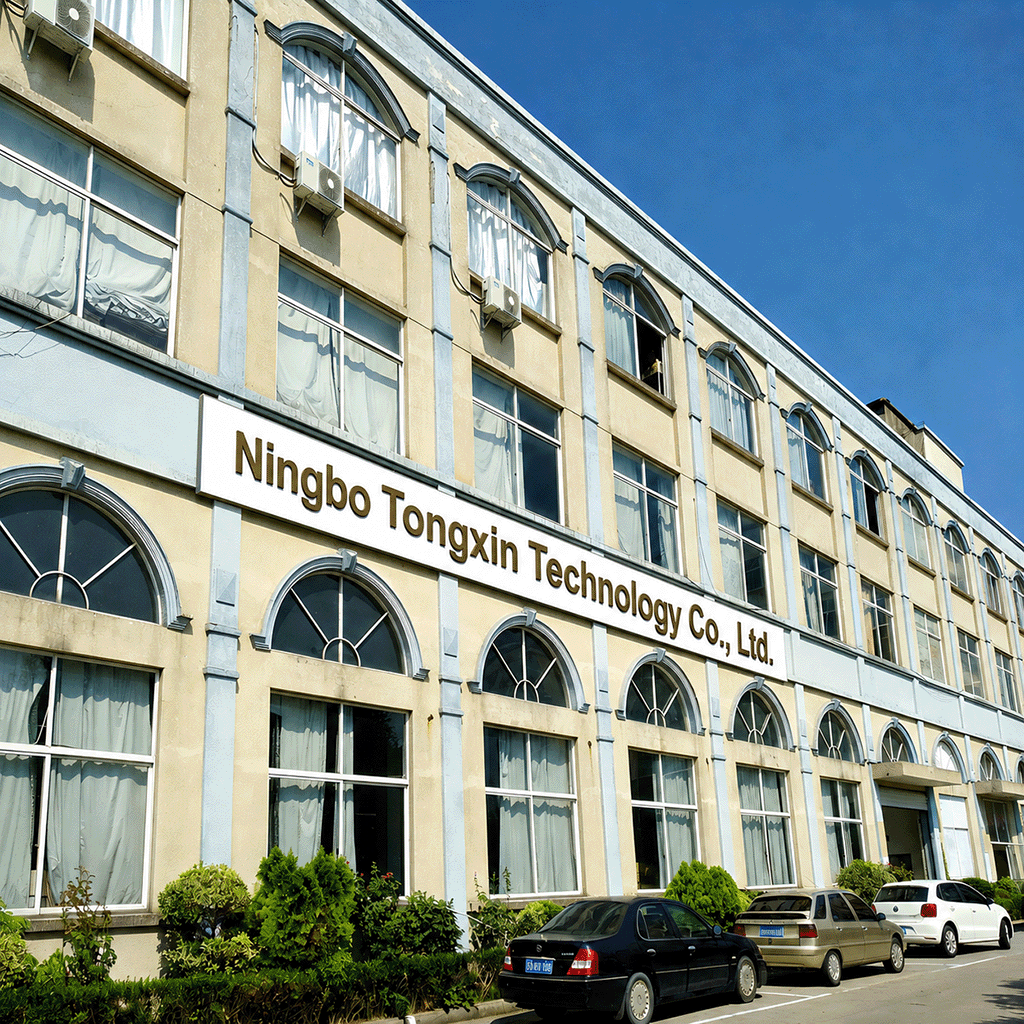
Ningbo Tongxin Technology Co., Ltd. develops and manufactures portable coffee makers for international B2B customers.
Our current product range includes:
- CM1001B-PLUS three-in-one portable coffee maker;
- CM1001B-PRO two-in-one portable coffee maker;
- Self-heating portable coffee solutions;
- Capsule and ground coffee configurations;
- OEM and private-label projects.
The CM1001B-PLUS supports Nespresso® Original-style capsules, Dolce Gusto®-style capsules, and ground coffee.
The CM1001B-PRO supports Nespresso® Original-style capsules and ground coffee.
Our services include:
- Sample evaluation;
- OEM logos;
- Customized packaging;
- User manuals and rating labels;
- Carrying bags and accessories;
- Quality inspection;
- Product documentation;
- Wholesale and distributor cooperation;
- After-sales and spare-parts support.
Buyers looking for a portable coffee maker manufacturer in China can contact us with their target market, sales channel, expected quantity, and customization requirements.
Our OEM and private-label portable coffee maker services include custom logos, product colors, retail packaging, user manuals and selected accessories.
What B2B Buyers Should Evaluate
Portable coffee machine market trends may indicate commercial opportunities, but product selection should be based on the target market and sales channel.
Before choosing a model, buyers should evaluate:
- Manual or electric operation
- Cold-water heating or hot-water-only extraction
- Capsule compatibility
- Ground-coffee compatibility
- Battery capacity
- Charging input
- Water-tank capacity
- Heating time
- Cups per charge
- Product dimensions and weight
- Retail price positioning
- Compliance requirements
- Packaging
- Warranty and spare parts
A product designed for camping may require different features from one intended for corporate gifts, automotive channels or hotel use.
Buyers should test samples with the intended capsules, ground coffee, charging equipment and operating conditions before confirming a wholesale order.
Product selection should also include a review of the manufacturer’s coffee machine quality control process.
Buyers preparing a sourcing project can read our OEM portable coffee maker manufacturer guide for information about samples, branding, MOQ, quality control and wholesale production.
Frequently Asked Questions
Frequently Asked Questions
Is the portable coffee maker market growing?
Published market forecasts generally project continued growth, but estimates vary significantly because research providers use different product definitions and geographic coverage.
What is driving demand for portable coffee makers?
Demand is supported by mobile lifestyles, travel, outdoor activities, e-commerce demonstrations and consumer interest in preparing espresso-style coffee away from traditional kitchens.
Are electric portable coffee makers better than manual models?
Neither type is suitable for every customer. Electric models offer convenient pumping and optional built-in heating, while manual products may be lighter, simpler and less expensive.
What are the limitations of self-heating portable coffee makers?
Limitations may include heating time, battery capacity, charging requirements, product weight, lithium-battery transportation and higher cost compared with hot-water-only models.
Which coffee formats can portable coffee makers support?
Depending on the model, portable coffee makers may support Nespresso® Original-style capsules, Dolce Gusto®-style capsules and ground coffee.
Should buyers test samples before ordering?
Yes. Buyers can request a portable coffee maker sample to evaluate heating, extraction, capsule compatibility, battery performance, charging, leakage and cleaning before mass production.
Can portable coffee makers be sold under a private label?
Yes. OEM options may include custom logos, product colors, packaging, user manuals, labels and selected accessories, depending on the model and order quantity.
Explore Portable Coffee Machine Market Opportunities
Portable coffee machine market trends show opportunities across coffee equipment, travel, outdoor, automotive, e-commerce, hotel and corporate gift channels.
However, market forecasts alone should not determine product selection. Buyers should evaluate their target customers, required coffee formats, product performance, compliance requirements, wholesale cost and after-sales arrangements.
Ningbo Tongxin Technology manufactures rechargeable portable coffee makers for international importers, distributors, retailers and private-label brands.
Request a sample or OEM quotation with your target market, sales channel, estimated quantity and required product configuration.
Company Information
Company: Ningbo Tongxin Technology Co., Ltd.
Main Products: Portable Coffee Makers, Capsule Coffee Machines, and Home Coffee Machines
Services: OEM, ODM, Wholesale, and Private-Label Manufacturing
Address: No. 17 West Street, Industrial Park West Area, Guanhaiwei Town, Cixi, Ningbo, Zhejiang, China
Website: www.coffeemachinefactory.com
Email: simonxiong@coffeemachinefactory.com