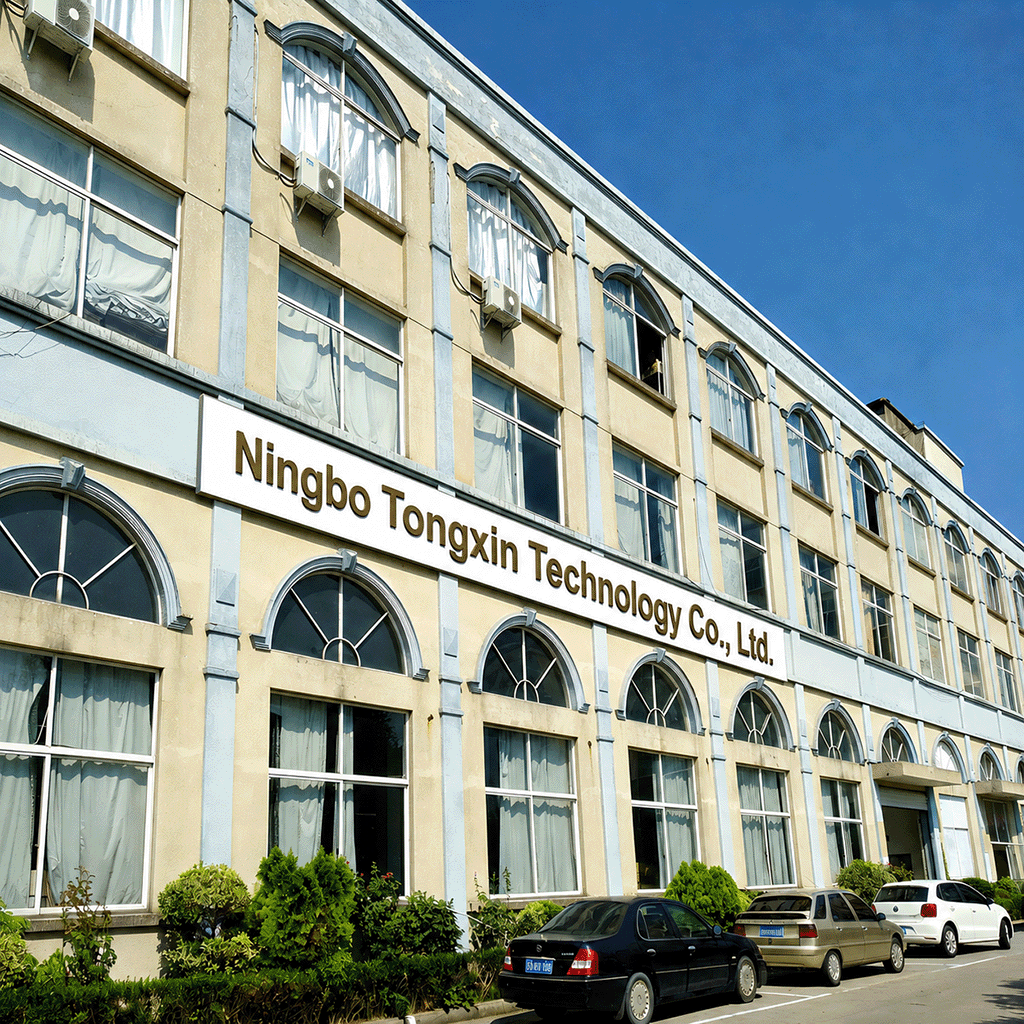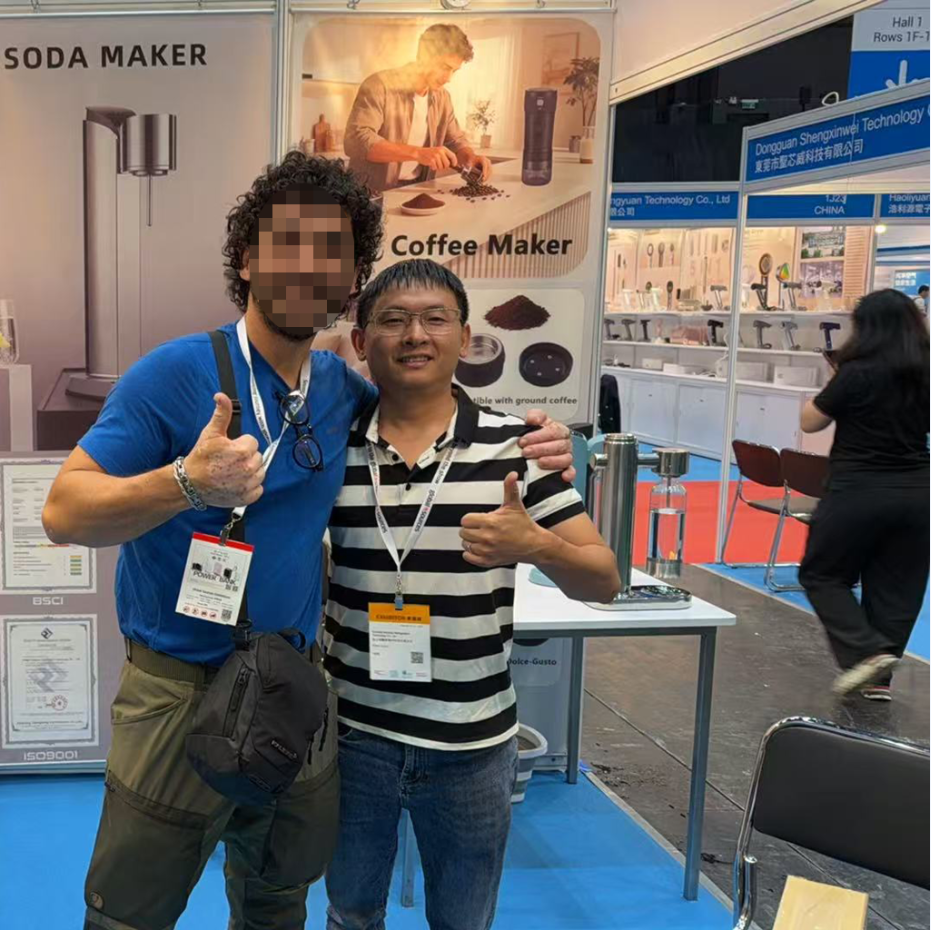

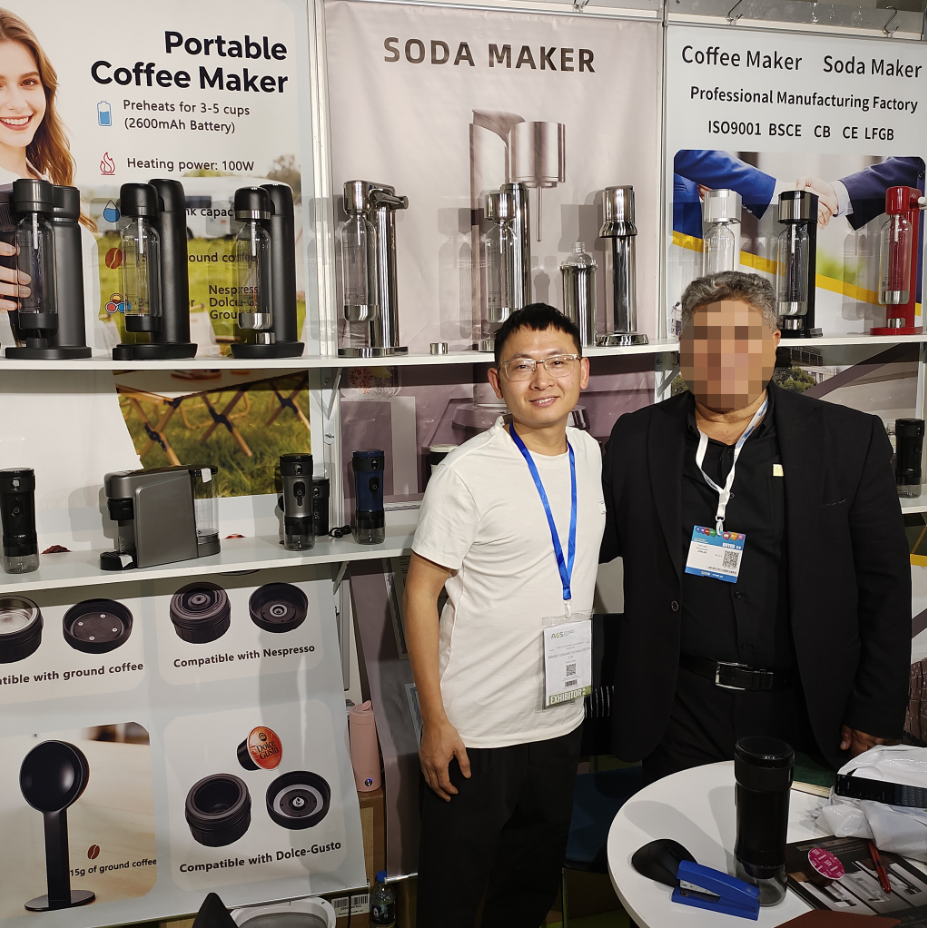
Ningbo Tongxin Technology Co., Ltd. recently completed a portable coffee maker bulk order for an existing overseas customer.
The order covered 5,000 units and followed an earlier purchase of the same product. According to the customer, market sales had moved faster than originally forecast, creating an urgent need to replenish inventory.
For Tongxin Technology, the project involved more than increasing production volume. The team needed to confirm that the repeat order matched the previous product, secure materials, adjust the production schedule, maintain quality controls, and meet the customer’s required delivery date.
The order was completed and prepared for shipment according to the agreed schedule.
For commercial confidentiality, the customer’s name, destination market, and order value are not disclosed.
Why the Customer Placed a Repeat Order
A repeat order is one of the clearest forms of customer feedback in an OEM manufacturing relationship.
The customer had already completed its initial product evaluation and introduced the portable coffee maker to its market. Sales of the first order were stronger and faster than expected, and the customer needed additional inventory to maintain product availability.
Before confirming the new order, both sides reviewed:
- Product model and configuration;
- Order quantity;
- Product color;
- Logo and branding;
- Packaging artwork;
- User manual;
- Accessories;
- Product labels;
- Delivery requirements;
- Shipping schedule.
Although the new order used the previous product as its basis, Tongxin Technology did not treat it as an automatic copy of the earlier order.
Every repeat order still requires confirmation because packaging files, labels, accessories, market requirements, or customer instructions may have changed since the previous production batch.
The Main Challenge: Higher Quantity and a Shorter Schedule
The customer’s faster-than-expected sales created a gap between available inventory and market demand.
The 5,000-unit replenishment order therefore came with a tighter schedule than a normal production plan.
The main challenges included:
- Confirming the final order requirements quickly;
- Securing enough materials;
- Coordinating different component suppliers;
- Adjusting existing production schedules;
- Preparing sufficient line capacity;
- Maintaining inspection requirements;
- Coordinating packaging and outbound logistics;
- Avoiding delays to other confirmed orders.
The team needed to shorten waiting and coordination time without removing the production and inspection steps required for the product.
Confirming the Repeat-Order Specification
The business and engineering teams first compared the new order against the customer’s previous approved specification.
The review covered:
- Bill of Materials;
- Product configuration;
- Approved color;
- Logo position and method;
- Packaging version;
- User manual version;
- Product rating label;
- Barcode;
- Outer carton marks;
- Accessory list;
- Inspection requirements.
This review was important because using an outdated file on a repeat order can create avoidable mistakes.
Once the customer confirmed the final requirements, the approved information was released to purchasing, production, quality, and warehouse personnel.
Material Planning and Supplier Coordination
The purchasing team reviewed the material requirements for all 5,000 units and compared them with available inventory.
Materials were divided into several categories:
- Materials already available;
- Standard components requiring replenishment;
- Customer-specific packaging;
- Branded parts;
- Long-lead-time components;
- Battery and electrical components;
- Accessories.
The team then confirmed delivery schedules with the relevant suppliers.
Priority was given to components that could affect the production start date or interrupt the assembly line if delivered late.
Supplier coordination focused on both timing and conformity. Materials still needed to meet the approved drawings, samples, specifications, and inspection requirements.
An urgent order could not be supported by introducing unverified components simply because they were available sooner.
Production Scheduling
The production team reviewed the existing schedule and identified a suitable production window for the repeat order.
The preparation covered:
- Production-line availability;
- Required manpower;
- Equipment and tooling;
- Material arrival dates;
- Assembly sequence;
- Testing capacity;
- Packaging preparation;
- Daily production targets;
- Finished-goods storage;
- Shipment deadline.
Where possible, preparation began before every material had arrived.
Work instructions, fixtures, testing equipment, packaging stations, and production records were prepared in advance so that the line could begin promptly after the required materials passed inspection.
This reduced idle time without changing the approved production process.
Incoming Material Inspection
Materials arriving for the order were inspected before being released to production.
Depending on the component, incoming inspection included:
- Material name and identification;
- Supplier and batch information;
- Delivered quantity;
- Appearance;
- Color;
- Critical dimensions;
- Electrical specifications;
- Fit and assembly compatibility;
- Packaging condition;
- Required documentation.
Nonconforming materials were identified and separated from approved materials.
This step was particularly important for a larger order. A component problem repeated across 5,000 units could create significant rework if it was not identified before assembly.
First-Article Confirmation
Before full production began, the production team assembled the first unit using the materials prepared for the new batch.
The first-article inspection covered:
- Correct materials;
- Product configuration;
- Assembly process;
- Appearance;
- Logo;
- Product operation;
- Packaging;
- Labels;
- Accessories;
- Customer-specific information.
Mass production began only after the first unit met the approved order requirements.
This confirmed that the production line, materials, documents, and packaging were aligned with the customer’s specification.
Quality Control During Production
The tighter schedule did not remove the normal quality controls.
During production, inspection and testing covered the relevant functions and assembly conditions for the portable coffee maker.
Depending on the approved model and inspection plan, the checks included:
- Product appearance;
- Assembly completeness;
- Button and indicator operation;
- Charging function;
- Battery operation;
- Pump operation;
- Heating performance;
- Coffee extraction;
- Water flow;
- Sealing and leakage;
- Abnormal operating sounds;
- Accessories;
- Product labels;
- Packaging contents.
Quality personnel also conducted patrol inspections to check whether production was following the approved work instructions.
Products that did not meet the requirements were separated from qualified units. After correction or rework, they had to be inspected again before proceeding to packaging.
Packaging and Final Inspection
After functional testing, the products moved to the packaging stage.
The packaging team checked:
- Product model and color;
- Logo and appearance;
- Correct accessories;
- User manual;
- Rating label;
- Barcode;
- Color box;
- Outer carton quantity;
- Shipping marks;
- Packaging condition.
Finished products then went through final outgoing inspection according to the order and approved inspection requirements.
The final review confirmed that the product, packaging, quantity, and customer information were consistent before the order was released for shipment.
Completing the 5,000-Unit Order
Through coordinated material planning, production scheduling, inspection, and packaging, Tongxin Technology completed the 5,000-unit repeat order within the customer’s required schedule.
The result allowed the customer to:
- Replenish inventory;
- Maintain product availability;
- Support ongoing sales;
- Reduce the risk of stock shortages;
- Continue developing the portable coffee maker category.
For Tongxin Technology, the order confirmed that the previous cooperation could move from an initial purchase to a larger repeat-production program.
It also provided useful information for future forecasting, material preparation, and production planning.
Why Repeat Orders Matter
A first order shows that a customer is willing to test a supplier and product.
A repeat order shows that the customer has had enough experience with the product and cooperation to continue.
However, repeat orders also bring new responsibilities.
As order quantities increase, the manufacturer must maintain:
- Consistent materials;
- Stable assembly;
- Repeatable product performance;
- Accurate packaging;
- Clear change control;
- Reliable delivery;
- Responsive communication;
- After-sales support.
Producing 5,000 units consistently is different from preparing several samples. The focus shifts from proving that one product works to ensuring that every production stage remains controlled across the complete order.
What B2B Buyers Can Learn from This Project
When evaluating a manufacturer for a portable coffee maker wholesale order, buyers should consider more than the quoted price.
Important questions include:
- Can the supplier trace the approved specification?
- Are repeat-order files reviewed before production?
- How are materials inspected?
- Is a first article confirmed?
- Which functions are checked on every unit?
- How are nonconforming products handled?
- Can production capacity support a larger repeat order?
- How are packaging versions controlled?
- Can the supplier coordinate urgent replenishment?
- What after-sales and spare-parts support is available?
A reliable supplier should be able to explain how an order moves from confirmation to material preparation, production, inspection, packaging, and shipment.
Supporting Customer Growth
The purpose of a repeat order is not simply to produce a larger quantity.
It is to support the customer’s continued market development without losing the product and service standards established during the earlier cooperation.
For this project, the customer needed faster replenishment because sales had exceeded the initial forecast.
Tongxin Technology’s responsibility was to translate that demand into a controlled production plan and deliver the order within the confirmed schedule.
That required coordination across:
- Business communication;
- Engineering confirmation;
- Purchasing;
- Supplier management;
- Production;
- Quality control;
- Warehouse operations;
- Logistics.
Planning a Portable Coffee Maker Bulk Order?
Tongxin supports portable coffee maker bulk orders for importers, distributors, retailers and private-label brands. We can provide samples, custom logos, branded packaging, user manuals and OEM/ODM production support. Contact our team to discuss your required model, quantity, target market and delivery schedule.
Frequently Asked Questions
How many portable coffee makers were included in the repeat order?
The repeat order included 5,000 portable coffee makers.
Why did the customer place another order?
The customer reported that market sales had moved faster than originally expected and needed additional inventory.
Was the product changed for the repeat order?
The new order was based on the previous approved product. The product configuration, branding, packaging, labels, accessories, and documentation were reviewed again before production.
Was quality inspection reduced to shorten the delivery time?
No. Incoming inspection, first-article confirmation, production testing, patrol inspection, packaging checks, and final outgoing inspection remained part of the production process.
Can Tongxin Technology support large portable coffee maker orders?
Order feasibility depends on the product model, quantity, customization, material availability, production schedule, and required delivery date. The project details must be evaluated before a delivery plan is confirmed.
Can new customers order samples before a bulk order?
Yes. Sample evaluation is recommended before confirming an OEM, wholesale, or private-label order.
Do you provide OEM and private-label services?
Yes. Available services may include customized logos, colors, packaging, user manuals, product labels, barcodes, carrying bags, and other project-specific requirements.
Start a Portable Coffee Maker Bulk Order
Ningbo Tongxin Technology Co., Ltd. manufactures portable coffee makers for international importers, distributors, retailers and private-label brands. Explore our portable coffee maker models or contact our sales team to discuss samples, wholesale pricing, OEM packaging and bulk-order requirements.
Our services include:
- Portable coffee maker wholesale;
- OEM and ODM manufacturing;
- Private-label customization;
- Sample evaluation;
- Logo and packaging customization;
- Production quality control;
- Product compliance documentation;
- After-sales and spare-parts support;
- Repeat-order production.
If you are planning a portable coffee maker bulk order, please provide your target market, sales channel, required product model, estimated quantity, customization requirements, and expected delivery schedule.
We will evaluate the project and provide the appropriate product specifications, sample options, production plan, and quotation.
Company Information
Company: Ningbo Tongxin Technology Co., Ltd.
Main Products: Portable Coffee Makers, Capsule Coffee Machines, and Home Coffee Machines
Services: OEM, ODM, Wholesale, and Private-Label Manufacturing
Address: No. 17 West Street, Industrial Park West Area, Guanhaiwei Town, Cixi, Ningbo, Zhejiang, China
Website: www.coffeemachinefactory.com
Email: simonxiong@coffeemachinefactory.com